Drawing to 3D model: AI or engineer
Short answer: AI that “draws” 3D from a picture is useless for manufacturing — it does not read the drawing’s dimensions. AI that builds the model from the dimensions and measures every dimension on the finished model gets ordinary drawings right with no dimension errors, faster and cheaper than an engineer. An engineer is needed where there is no drawing, where a sketch is “roughly like this”, and to accept the model.
Three ways to get a model from a drawing
| Image-to-3D generator | AI + a check of every dimension | Freelance engineer | |
|---|---|---|---|
| What you get | A mesh (STL) that “looks like the picture” | STEP and STL built to the drawing’s dimensions | A model in their CAD, often with a feature tree |
| Dimensions | Not to the drawing: the generator does not read them | Every dimension measured on the model and checked against the drawing | As good as the freelancer builds and checks it |
| Ambiguous spot on the drawing | Fills it in silently | A question with options | Asks or decides on their own |
| Turnaround | Minutes | Usually 20–30 minutes, a complex housing — a few hours | 1–4 days |
| Price | — | $8–$25 on the pilot, shown before payment | RUB 500–3500 for a base order on Kwork (Russian freelance marketplace) |
| When to choose | A picture for a presentation, not for the shop | You have a drawing, a dimensioned sketch or an archive | No drawing: you need design, calculation, manufacturability |
AI or engineer: by drawing type
| Example | What you have | AI with checks | Engineer | What to choose |
|---|---|---|---|---|
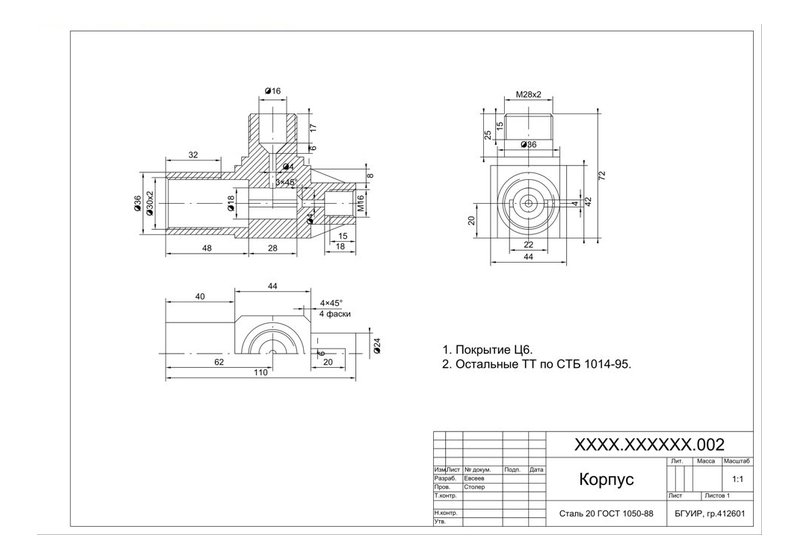 | PDF from CAD, DXF or DWG | AI: No dimension errors: 30 models from PDF, 11 from DXF and DWG. About 20 minutes. | Engineer: Can do it — it is routine. | AI: faster and cheaper |
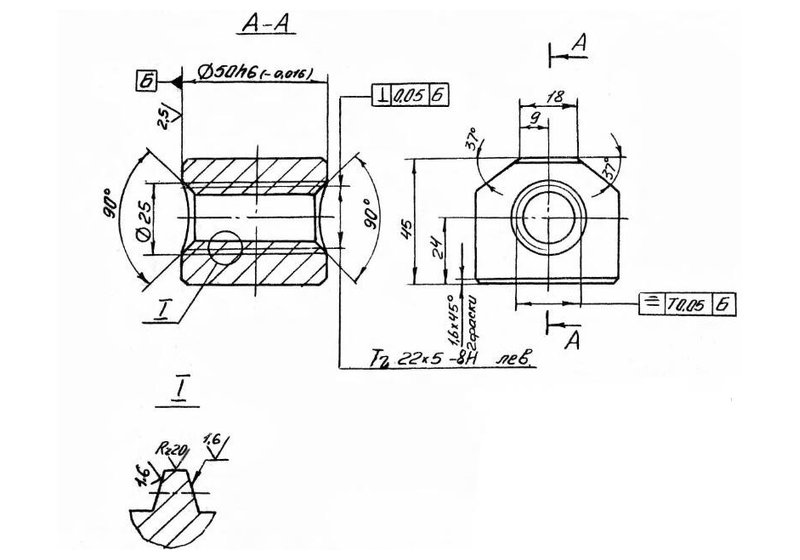 | Scan of a paper drawing | AI: 1 error in 29 models — a gearbox housing with 86 dimensions. An unreadable figure comes as a question with a crop from the scan. | Engineer: Will redraw it and ask about unreadable spots. | AI; on a complex housing check the datums |
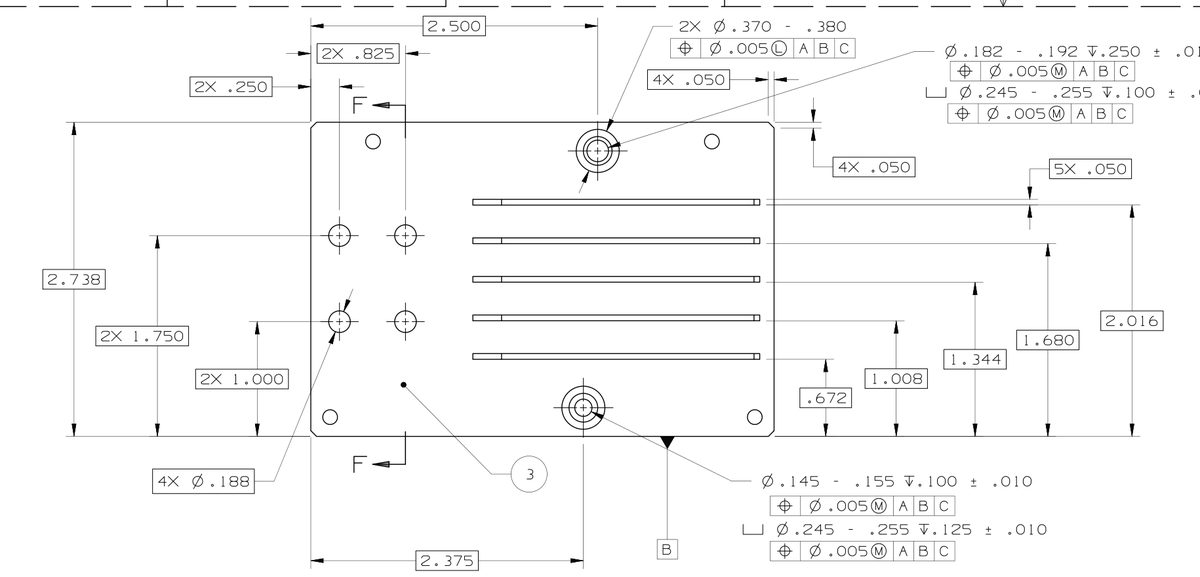 | US drawing: inches, ASME | AI: 23 models with no dimension errors. The model is in millimetres, every dimension converted. | Engineer: Needs experience with ASME and third-angle projection — not everyone has it. | AI |
| Bent sheet-metal part | AI: 12 flat patterns with no dimension errors; each is folded back and checked against the part. | Engineer: Will build it in their CAD; K from their own table. | Either; send your shop’s bend table | |
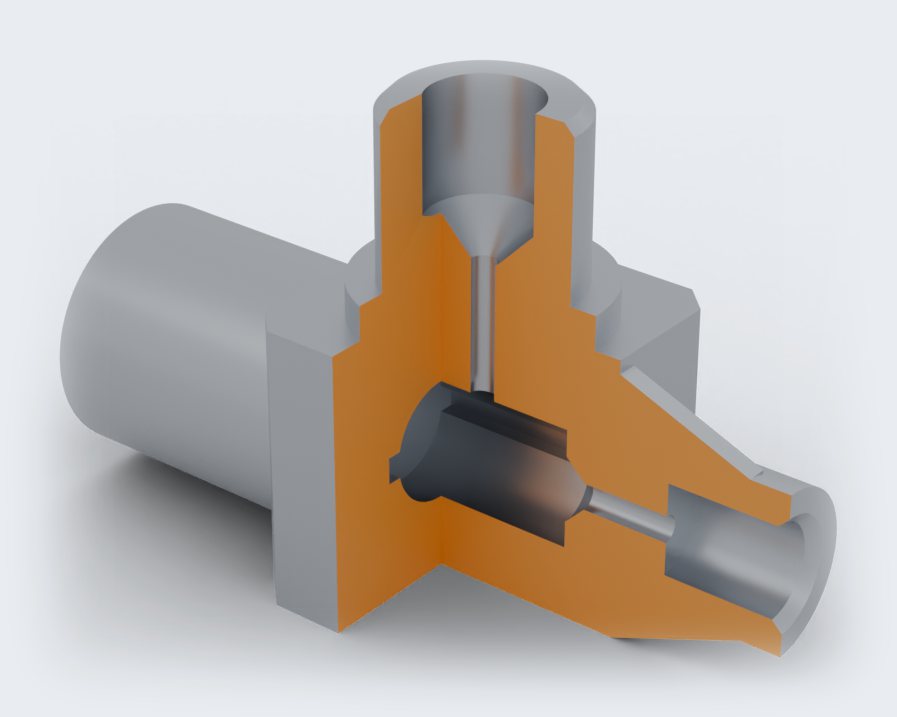 | Cast housing, 50+ dimensions | AI: Errors are rare but happen: 2 models of 14, about one per 50–90 dimensions. Usually about 2 hours. | Engineer: Knows casting better: drafts, allowances, datums. | AI + your engineer checks datums and fits |
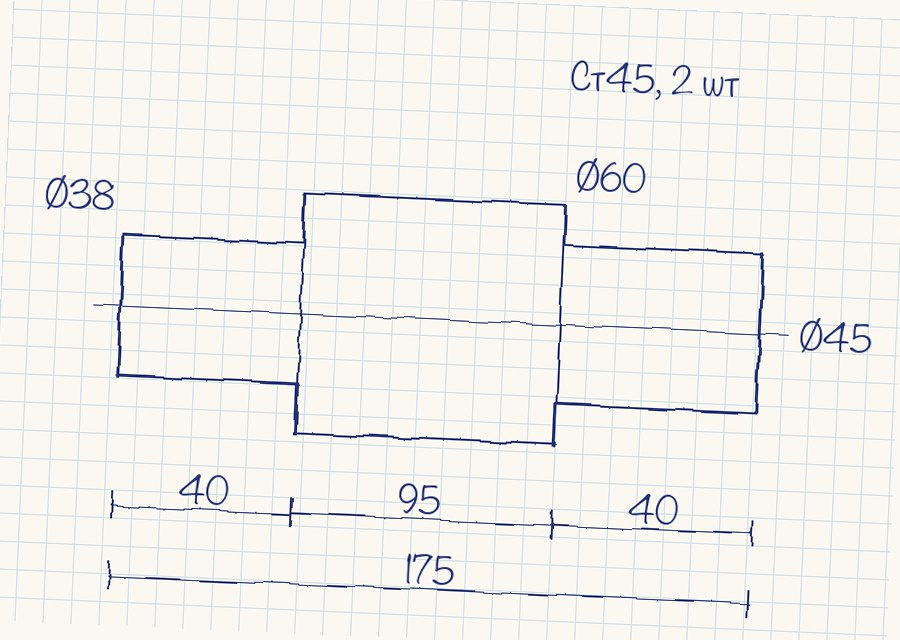 | Hand sketch, not to scale | AI: 1 error in 11 models. Doubtful spots come as questions, but it won’t guess sizes drawn “by eye”. | Engineer: Will call you and clarify the intent. | A clear sketch — AI; “roughly like this” — engineer |
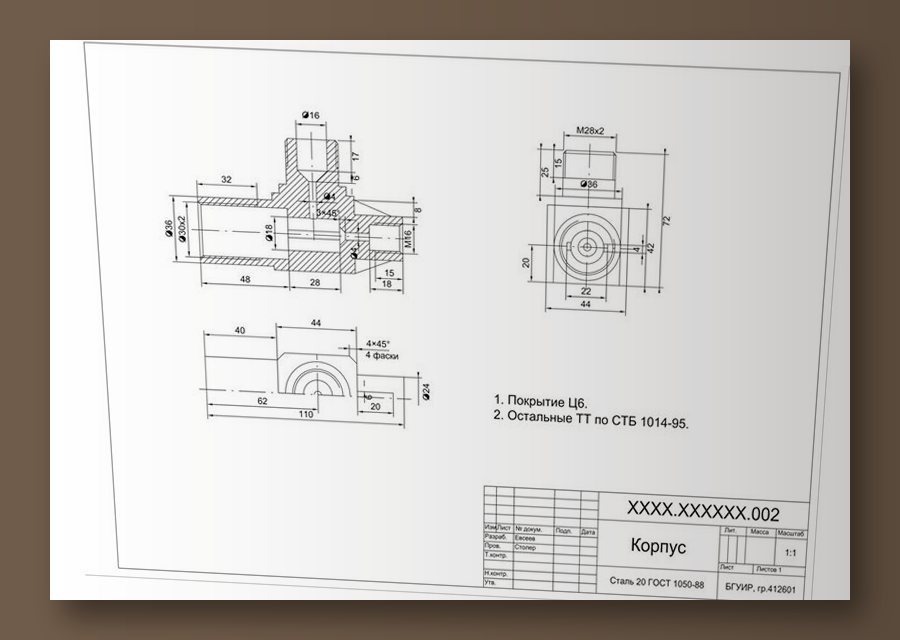 | Phone photo of a drawing | AI: In trial: no errors on test photos, too little data on real ones yet. | Engineer: Will redraw it from the photo. | A scan is better; try a photo for free |
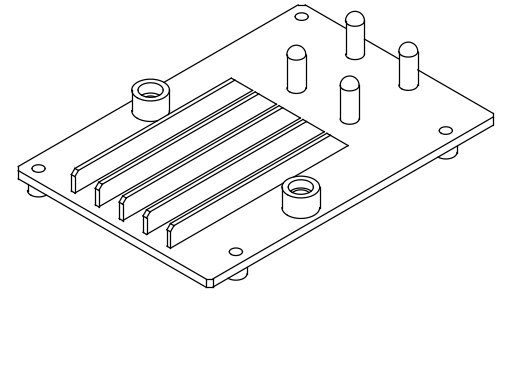 | Isometric view only, no dimensioned views | AI: Cannot build it accurately — nothing to tie dimensions to. Says so right away, free. | Engineer: Will build it from proportions or a sample part. | Engineer — or send dimensioned views |
Without checks, AI makes mistakes
A language model reads a drawing well and writes the model’s code, but sometimes confuses where a dimension is measured from or misses a note. The model still looks right — only measurement reveals the error. We saw it too:
How AI builds and checks a model: one drawing from start to finish
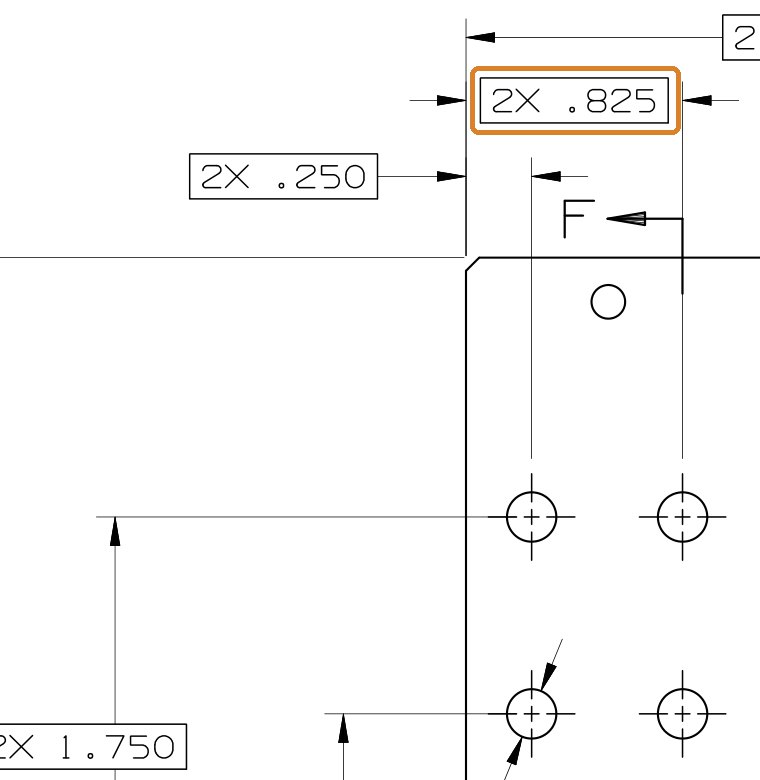
A NIST heatsink, 59 dimensions in inches. Each goes into a table.
| on sheet | mm | model |
|---|---|---|
| 4.037 | 102.54 | ✓ |
| 2.738 | 69.55 | ✓ |
| 5X .050 | 1.27 | ✓ |
| 4X Ø.188 | 4.78 | ✓ |
| 2X .825 | 20.96 | ✓ |
The model is built in code and a program measures every dimension — everything matched. The error was in reading the sheet, not in building.
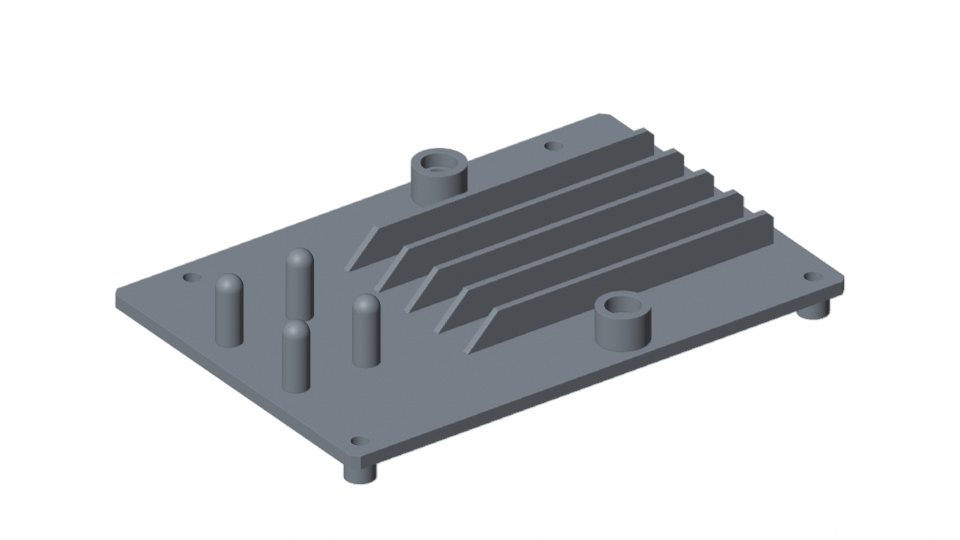
The model’s views are overlaid on the drawing’s views — nothing extra, nothing missing.
An agent that did not build the model re-read the sheet and found the mismatch. The NIST reference model confirmed it; the model was fixed before delivery.
What stays with the engineer
- Acceptance. The model comes with a check table and an overlay on the drawing — the engineer checks 2–3 key dimensions instead of re-measuring everything.
- Tolerances and surface finish. They are not carried into STEP and stay on the drawing.
- Design without a drawing. Designing a part, checking its strength, making it manufacturable for your shop — that is a design engineer’s job.
The model and a check of every dimension — free
Questions and answers
Can AI make a 3D model from a drawing?
Yes, if it builds the model from the drawing’s dimensions and every dimension is then measured on the model. Image-to-3D generators make a look-alike shape without dimensions — useless for manufacturing.
How accurate is a model built by AI?
Dimensions in the model match the drawing exactly if they were read correctly. That is why checking matters: every dimension is measured by a program and checked by a second agent. Today dimension errors occur only on complex cast housings — 2 models of 94.
How much does an engineer charge for a 3D model from a drawing?
On Kwork, a Russian freelance marketplace, a base order “3D model from a drawing” costs RUB 500–3500 with 1–4 days turnaround (first 20 offers, October 2026). That is the base package price; the final price depends on the part.
Who is responsible if the model has an error?
If the model does not match the drawing, it is our mistake and we fix it free, as many times as needed. Final acceptance is done by your engineer: everything needed for a quick check comes with the model.
When do you still need an engineer rather than AI?
When there is no drawing and the part has to be designed, calculated or adapted for production; when there is only an isometric view without dimensions; when a sketch is drawn “roughly like this” and the intent has to be clarified in a call.